AI
Pro-Intention, Not Anti-AI
The pushback against generic AI imagery in greetings isn't technophobia — it's demand for proof that someone chose this for you, not that an engine defaulted to it.

AI
The pushback against generic AI imagery in greetings isn't technophobia — it's demand for proof that someone chose this for you, not that an engine defaulted to it.
specificity
One question reveals whether a gift or message is specific to your relationship or generic enough for anyone on your list.

industry-trends
As AI-generated visuals flood feeds, senders and buyers are gravitating toward human-made, curated art — not because they fear technology, but because sameness reads as the opposite of personal.

gift-psychology
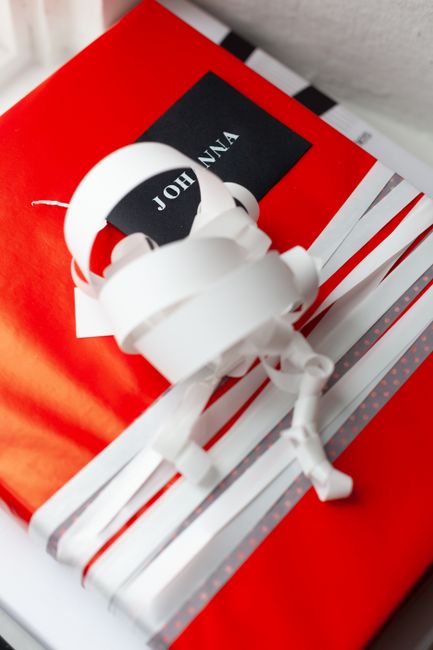
The simplest diagnostic for whether a gift actually proves you know someone: Could you swap in another person's name and still send the same thing? If yes, it's generic. If no — if it only works for *them* — it's specific.
psychology
Over half of U.S. adults expect at least one unwanted gift this year — not because gift-giving is broken, but because generic signals read as low effort even when the price tag says otherwise.
illustration
Volume and intimacy optimize for different things. A card made for reach or a card made for fit are both real choices — and they're not the same thing.

Recognition
Recognition doesn't fail because it's too infrequent — it fails because it's too generic to be remembered. New corporate research shows what actually makes praise land.

Recognition
Recognition doesn't fail because it's too infrequent. It fails because it's too generic.

Industry Trends
New workforce and gifting research suggests companies don't have to choose between scale and sincerity — the data says specificity, not centralization, is what makes recognition and client gifts actually work.
discovery
Most senders arrive at a greeting card knowing how they want someone to feel long before they know which calendar day fits. That matters for how you search.
TheBlueBrook Capabilities
Most card stores still ask what the calendar says. Senders often know how they want someone to feel long before they know which holiday it is — and discovery UX built around mood closes that gap faster.

personalization
A gift's meaning often starts before it's given — in the moment when a sender decides that this specific piece, made by this specific person, says something a generic option couldn't.