The Backlash Against Generic AI Art Is Really a Demand for Human Curation
As AI-generated visuals flood feeds, senders and buyers are gravitating toward human-made, curated art — not because they fear technology, but because sameness reads as the opposite of personal.


The Backlash Against Generic AI Art Is Really a Demand for Human Curation
Something shifted in how people talk about AI-generated images: less awe, more fatigue. The complaint isn't always ethical — it's aesthetic and emotional. This could be for anyone.
We argued earlier that curated libraries of individual human artists resist the statistical sameness that shared generative engines produce through model collapse. The market signal now looks like a consumer corollary: as generic AI content scales, demand for human-curated, diagnostically specific imagery rises in the categories where personal meaning matters — greeting cards chief among them.
Why does AI-generic feel wrong for greetings?
Three overlapping reasons:
1. Sameness is the enemy of "for you." When recipients apply the anyone test — could this have been for someone else with my name swapped in? — AI-slurry aesthetics fail instantly. No human chose this for your relationship.
2. Effort signals matter. Research on the effort heuristic shows people value outputs more when they believe labor went into them. Instant generation removes the visible trace of selection — and selection, not generation speed, is what personalization actually is.
3. Backlash is category-specific. Consumers tolerate AI-assisted discovery in some domains; in emotionally load-bearing ones, surveys on personalized gifting growth show buyers paying for fit and specificity, not volume.
Nugget: The backlash isn't anti-AI absolutism. It's pro-intention — proof that someone chose this, not that an engine defaulted to it.
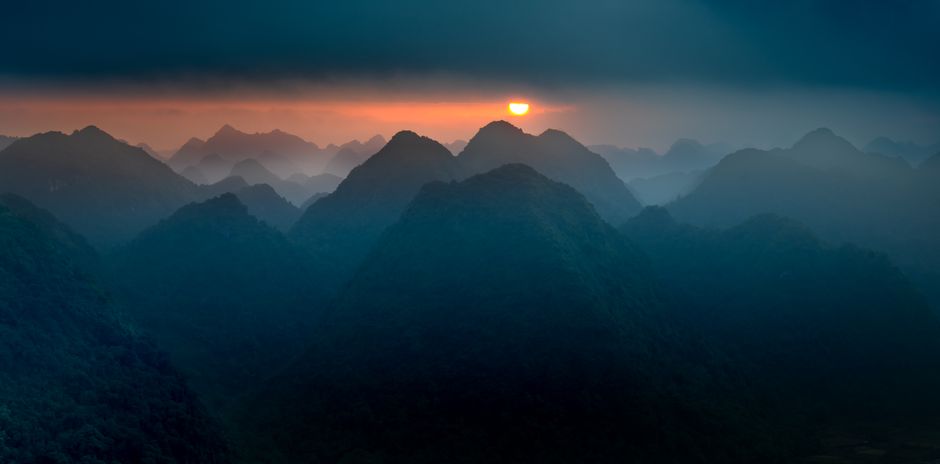
Photo by Victor Freitas via Pexels.
Curation vs. generation — different jobs
| Generate-at-scale | Curate-for-fit |
|---|---|
| Optimizes novelty per click | Optimizes diagnostic detail |
| Same engine → similar outputs | Many artists → irreducible variety |
| Sender absent from choice | Sender present in choice |
| Cheap per image | Expensive per relationship |
Platforms betting on emotionally meaningful sends are structurally betting on the right column — whether or not AI assists behind the scenes.
FAQ
Will AI-generated art disappear? Unlikely. It will segment: utility backgrounds vs. relationship-bearing content.
Is human art always better? Better for proof of attention — which is the core job of a greeting.
What should senders do? Favor art where a human aesthetic decision is legible — composition, mood, restraint — over images that scream "generated template."