An Emoji Is a Choice
Not decoration. Not filler. When you add a smiley face or drop a period, you're doing what a raised eyebrow does in a room: you're choosing how to be understood.

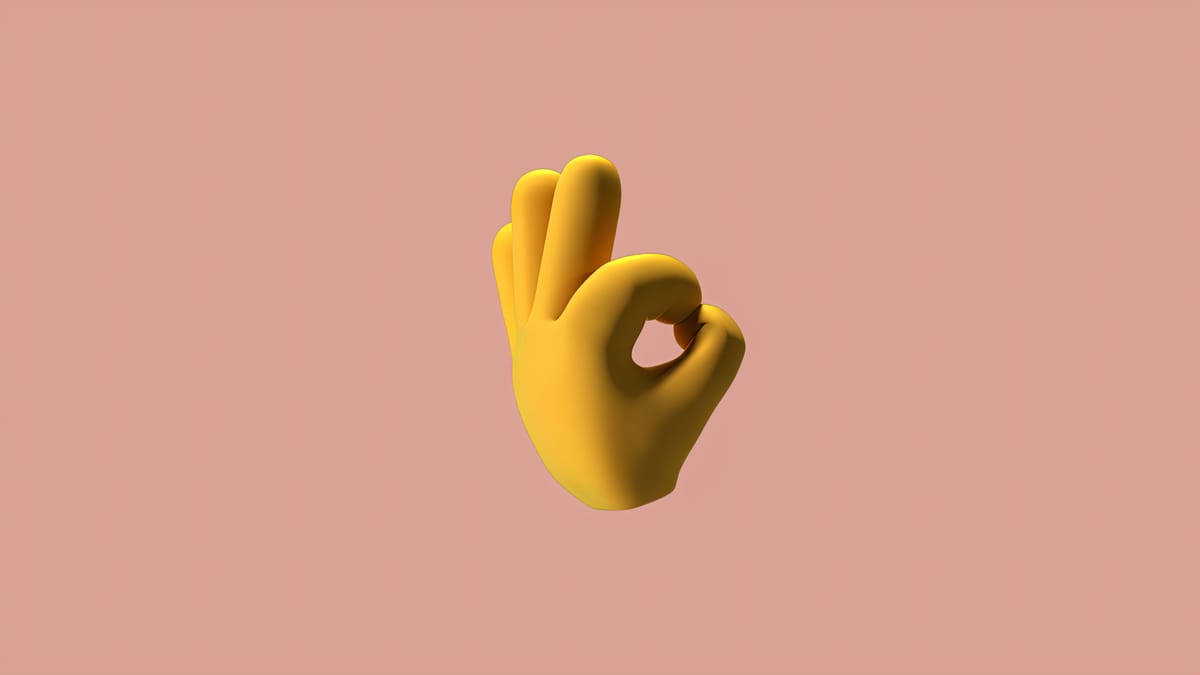
An Emoji Is a Choice
When you type "sounds good" without punctuation, it lands different than "Sounds good." When you add a period at the end of a short reply, it can sound clipped. A smiley face softens it. An emoji can undo the ambiguity in half a second—the same move as a smile that says I mean this warmly when words alone won't guarantee it.
An emoji isn't filling silence. It's doing the job a facial expression does.
Recent communication research calls these paralinguistic cues—visual stand-ins for tone of voice and gesture that plain text can't carry. People choose emoji specifically to soften a request, signal warmth, mark irony, or affirm closeness. The same shorthand a raised eyebrow performs in a room, an emoji performs in a message.
This means choosing one (or choosing none) isn't decoration. It's a real decision.
A message meant to feel warm benefits from something—an emoji, a specific word, punctuation that isn't clipped default—that does the work a smile would do in person. A message meant to land as sincere benefits from not being dashed off in three seconds.
This is what the full piece on digital body language explores: how tone, pacing, and emoji are all doing real work in a digital message. Worth reading if you've ever sent something and wondered why it landed wrong, or why a small emoji changed everything.
The words matter. But so does the way you choose to send them.