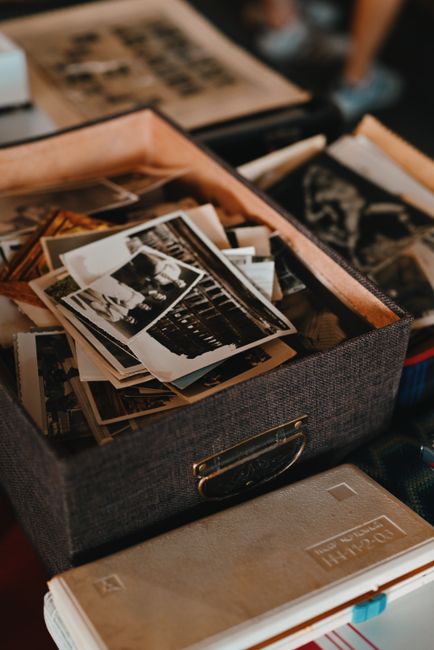
nostalgia
The Stranger Test for Nostalgia
A nostalgic card that could belong to anyone isn't nostalgic at all — the best shared-past sends fail the stranger test twice.

nostalgia
A nostalgic card that could belong to anyone isn't nostalgic at all — the best shared-past sends fail the stranger test twice.

psychology
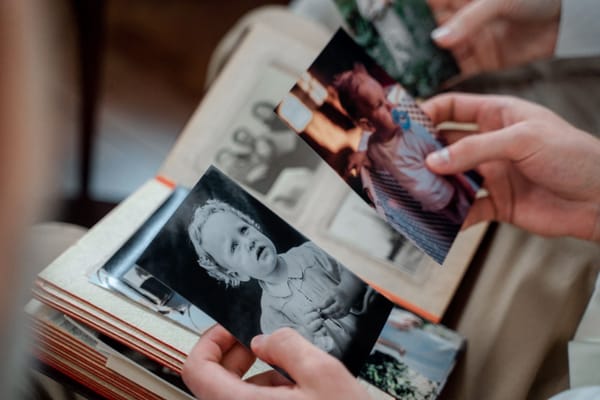
Nostalgia isn't solo wallowing — peer-reviewed work shows it boosts social connectedness first, then self-continuity and well-being. A card anchored in a shared past is relationship repair, not just a pretty memory.
Digital Connection
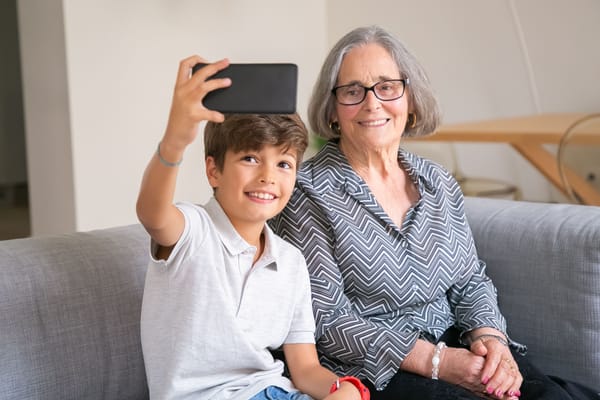
We're more digitally "connected" than any generation before us — and more likely to feel alone. Here's what psychology says about why nostalgia, personalization, and a handful of well-chosen words can do what a hundred notifications can't.
Digital Heirlooms
We've solved the problem of losing memories to time. We haven't solved the older one: turning a pile of memories into something someone else can actually receive.

nostalgia
Your nostalgia isn't evenly spread across your life. The specific years between 10 and 30 are where memory retrieval happens fastest—and where a personal message lands hardest.

nostalgia
Cognitive psychology has a name for why memories from ages 10-30 hit harder than almost anything since: the reminiscence bump. Here's what it means for the messages you send.
nostalgia
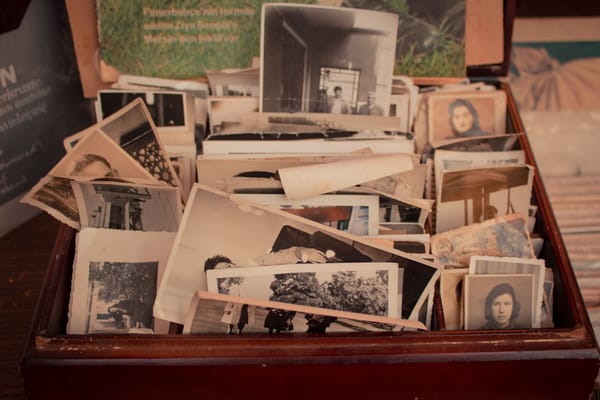
A shoebox of photographs gets handed down for generations. A phone with forty thousand images in its camera roll usually doesn't survive its owner by more than a password reset. The difference isn't the pictures — it's what makes something inheritable at all.