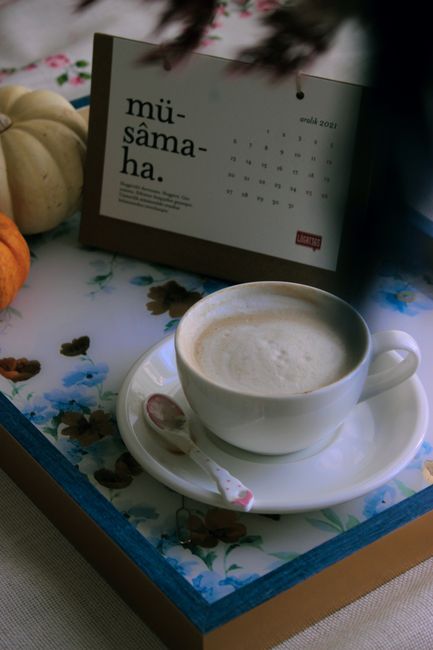
The Date Is the Message
When a card arrives on a date that already means something, the timing itself becomes part of what's said. Research on temporal landmarks suggests the date does part of the emotional work before a single word is read.
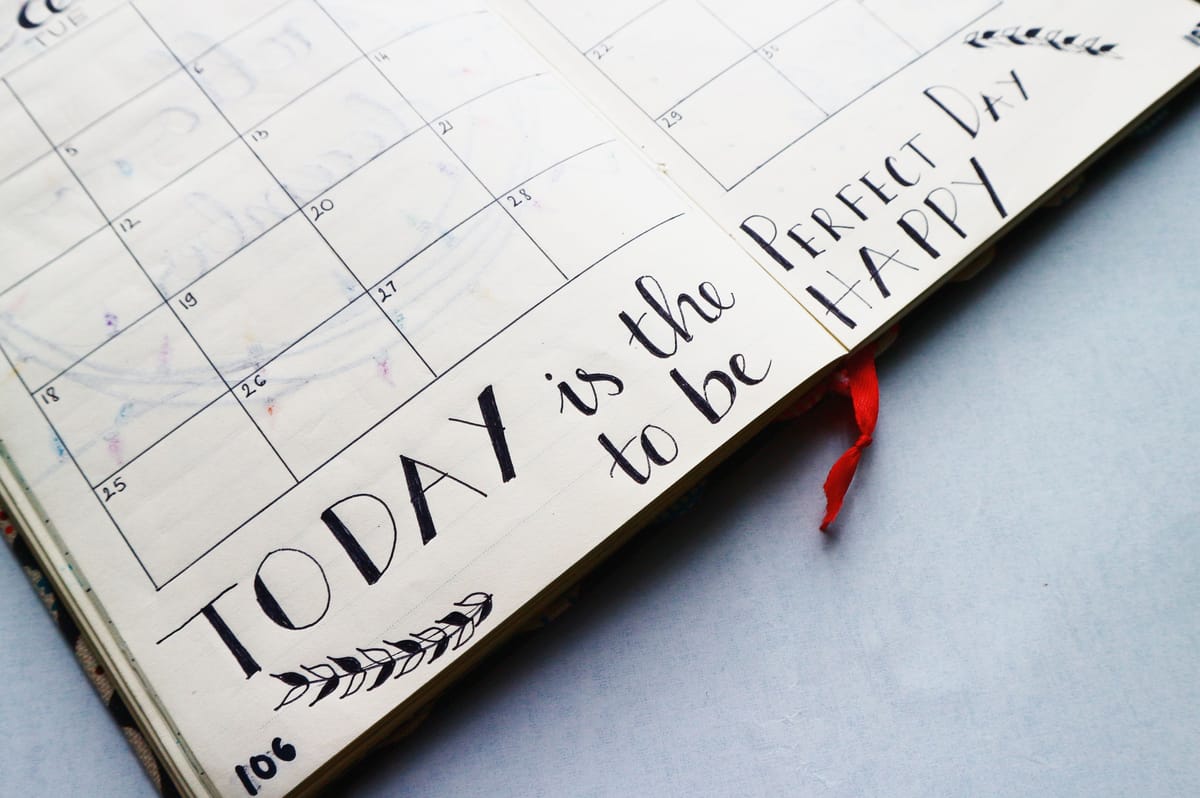
The Date Is the Message
Most messages are timed by the sender's impulse. Type, hit send, done. But research on what psychologists call "temporal landmarks" — dates that already carry meaning — suggests there's something quieter available: choosing when a card arrives, not just what it says.
A card that lands on an arbitrary Tuesday is well-timed. A card that lands on a date you've decided matters — a first day back after something hard, an anniversary only you two know about, the exact morning of a birthday — carries psychological weight before the recipient even opens it. That date is already doing emotional work.
Psychologists studying the "fresh start effect" found that personally meaningful dates (not just calendar milestones, but dates you assign meaning to) spike how people feel about new beginnings and positive moments ahead. For a scheduled card, that means the timing itself becomes part of the message. The day you chose to send it whispers what the card might say before the recipient reads a word.
Read the full piece: The Wait Is Part of the Gift: The Psychology of Anticipation in Scheduled Delivery