The Notification That Doesn't Want Anything From You
Most app notifications are built to pull you back in. A message notification only has one honest job: tell you someone thought of you.

The Notification That Doesn't Want Anything From You
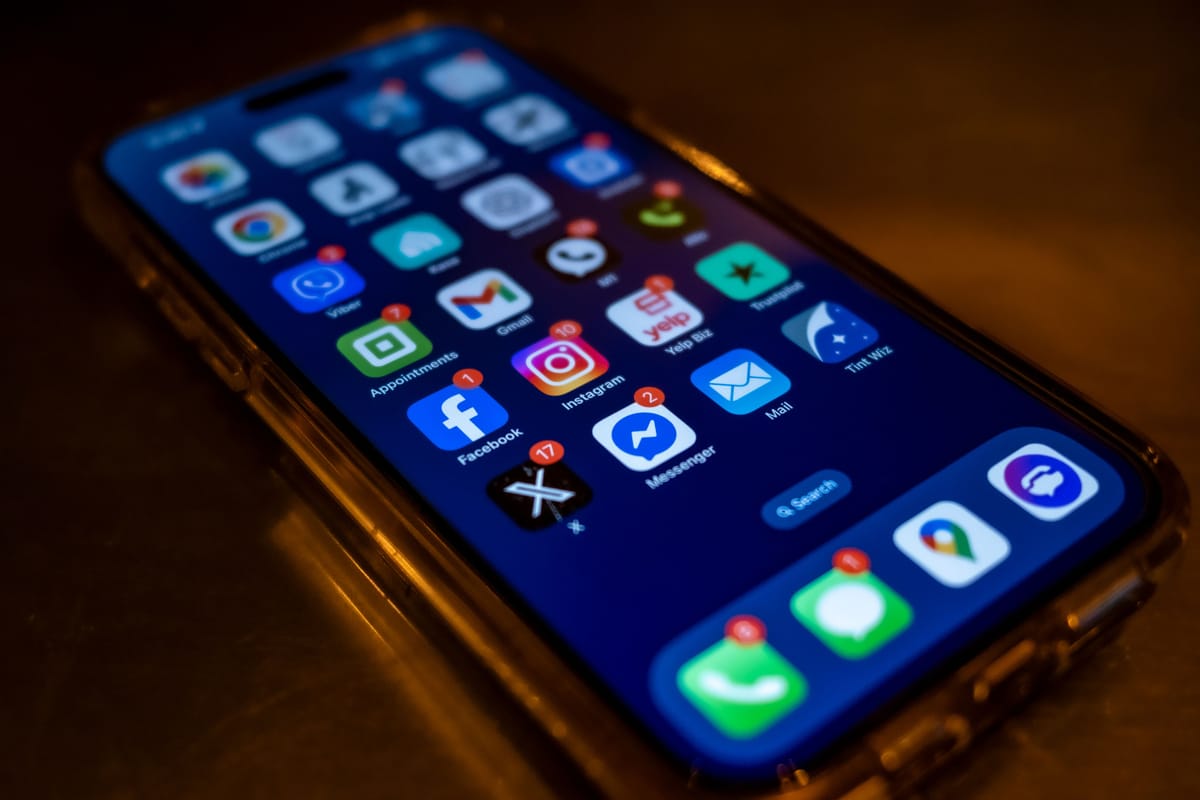
Open any phone's notification settings and you'll find a small war being fought over your attention. Red badges. "You have unopened memories." A ping engineered to feel like it might be good news, because not knowing is what keeps a thumb moving toward the screen. Researchers studying so-called dark patterns have catalogued this in detail — a recent survey of the field (arXiv, 2024) found deceptive and manipulative interface patterns, including notification nagging and forced re-engagement loops, embedded across a large share of the apps people use daily. The mechanism isn't subtle: uncertain, intermittent rewards keep people checking far more reliably than a predictable one ever would.
That logic works. It's also the opposite of what a notification about a personal message should ever do.
What is the attention economy, in one sentence?
It's a business model where a platform's product is your continued attention, not the task you came to do — so the notification's job quietly shifts from "inform you" to "reclaim you." A growing body of ethical-design research pushes back on this directly, arguing for interfaces built around user-defined concepts and genuine value rather than engagement metrics (arXiv, 2023).
Why does this matter for a digital greeting card?
Because a card notification is carrying something real: somebody, specifically, thought of you. That message doesn't need a manufactured hook to earn a second look — the fact of it is the whole point. A notification that says plainly what happened ("Maya sent you something") respects that moment more than one dressed up to feel uncertain or urgent. Novelty-seeking behavior is a real, well-documented pull on attention; the ethical question isn't whether to use it, but whether a private, personal message needs to borrow tactics built for slot machines and social feeds. It doesn't.
Nugget: The most respectful thing a notification can do is tell the truth immediately — not tease it.
What does a healthier notification look like?
- Named, not vague. "Someone sent you something" manufactures suspense. "Maya sent you a card" respects the recipient's time.
- Single, not recurring. One clear alert beats a badge that reappears until it's tapped.
- Silent when it should be. Not every message needs to interrupt — some are better discovered on the recipient's own schedule.
The trade-off worth naming
This approach will never out-compete an engagement-optimized feed on raw open rates, and that's fine — a card isn't trying to be a feed. The two systems are optimizing for different things: one for time spent, one for a moment that actually lands. Judged only by the metrics of the attention economy, restraint looks like underperformance. Judged by whether the recipient felt something real when they opened it, it's the entire design brief.

A quiet moment of checking a phone — the kind of unhurried attention a meaningful message deserves. Photo by Eren Li via Pexels.